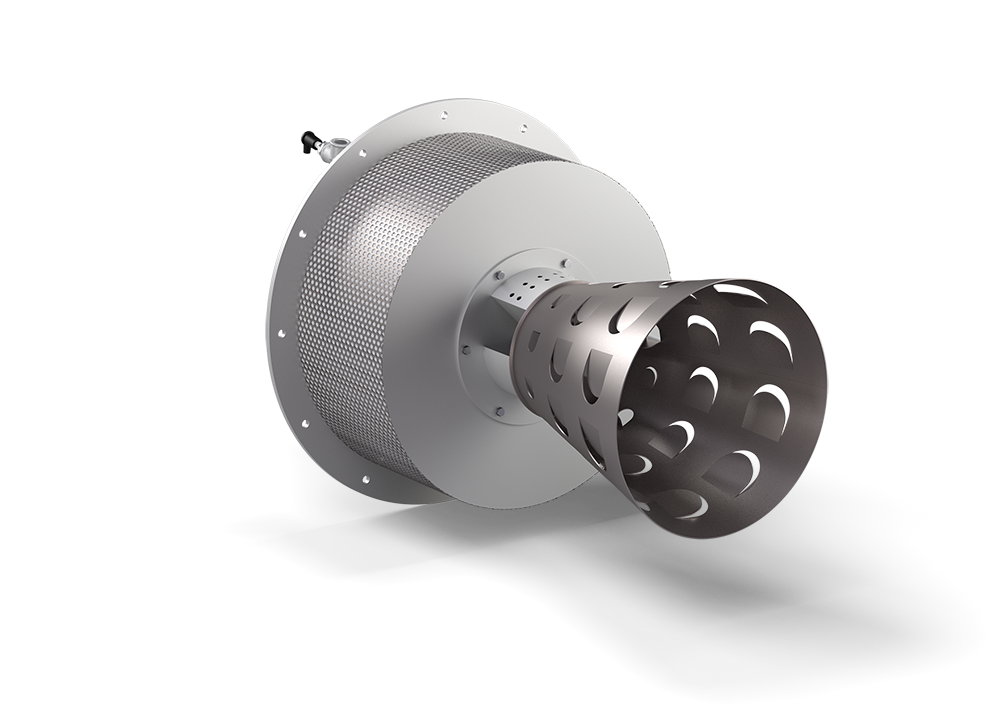
Honeywell Eclipse Incini-Cone Duct Burners

Technical Specifications

Heat input 400–9,500 kW LHV maximum ratings in the current gas-lance table
Fuel Natural gas, propane, butane or No. 2 oil, by configuration
Heating method Duct-mounted exhaust reheating
Process oxygen Minimum 16%
Stream temperature Upstream up to 600°C; downstream up to 900°C
Turndown 26:1 reference, depending on lance

Ratings vary by size and configuration. HHV/LHV values are fuel heat input, not useful process heat output.

Price on request

Product Overview

Eclipse Incini-Cone is designed for fume incineration and for reheating exhaust from turbines, dryers, ovens and similar equipment. It is mounted in the exhaust duct, where the process stream supplies the oxygen needed for combustion. This makes the available oxygen across the operating cycle a fundamental selection condition.

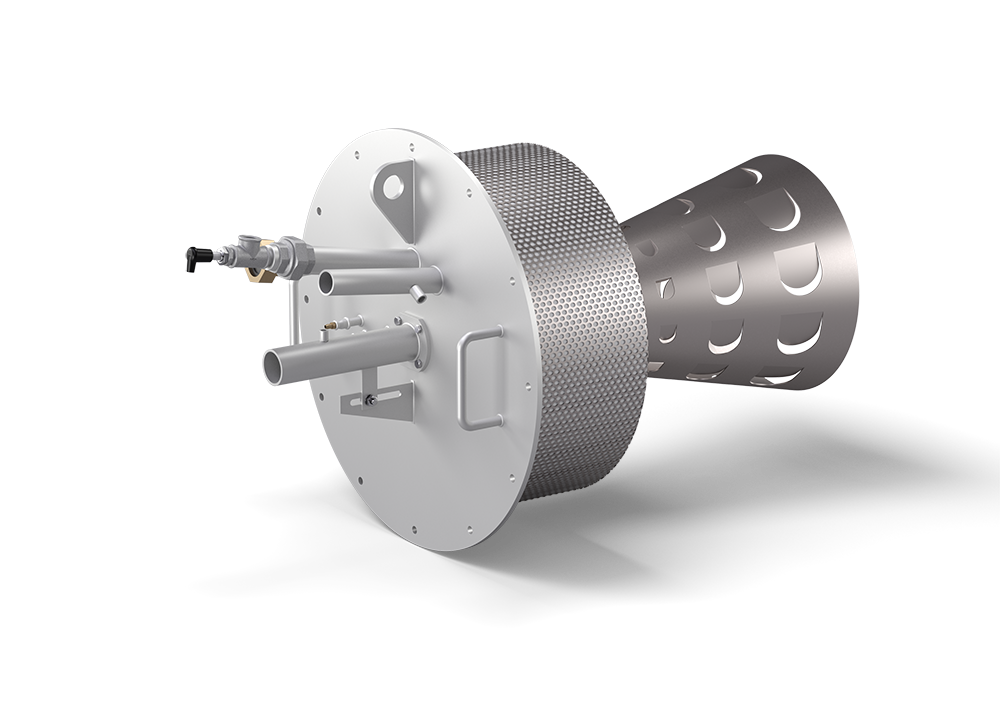
The assembly includes the burner body, a gas or oil firing gun, and a gas pilot with ignition and observation components. Its concentric arrangement promotes mixing of fuel with the passing stream. Gas and oil configurations are selected separately, with the appropriate firing components and process conditions.

A Heat Source Inside the Exhaust Stream

Incini-Cone introduces heat directly into the moving exhaust rather than providing a separate packaged air-heating chamber. The compact arrangement allows the burner to be removed for access to the incinerator, and the insulated backplate limits heat exposure at the working side. Duct flow, oxygen, inlet temperature and moisture need to be considered together when establishing the usable firing range.

WHERE IT WORKS

Applications

InciniCone manufacturer thermal-incineration system example. The process-stream conditions and complete incinerator design must be reviewed for each installation.
01

Dryer and oven exhaust reheating

The burner can add heat downstream of an oven or dryer, using oxygen available in that exhaust. The selection needs both normal and reduced-load stream conditions. A change in exhaust flow or air addition can alter the conditions seen by the burner.

02

Fume-incineration systems

Incini-Cone supplies the heating function in a designed treatment system. The process-stream analysis, required temperature and flow range must be provided for selection. Residence time and pollutant-destruction performance are properties of the complete system, not a burner capacity claim.

03

Turbine-exhaust after-heating

This is an explicitly listed application. Exhaust temperature and oxygen vary with the upstream equipment’s operating point, so the burner review should cover the intended load range. The selected fuel arrangement must suit those conditions throughout operation.

Choosing the Configuration

This design relies on oxygen in the exhaust stream. The current gas-lance table and the selected oil configuration must be treated separately, and the stream limits must be met throughout operation.

Product FAQs

Selection, supply and retrofit guidance for your InciniCone project.

InciniCone selection

What process-stream data is needed for InciniCone selection?

InciniCone uses oxygen available in the process stream, so oxygen content and its variation are central to the application review. Stream flow, temperature, pressure and relevant composition are also needed.

Provide conditions for startup, normal production and minimum load. Do not treat this as a conventional fresh-combustion-air burner selection based only on heat input and fuel pressure.

Does selecting an InciniCone burner define the incinerator performance?

The burner is one part of the thermal-incineration system. Chamber design, process flow, operating conditions and the required treatment performance must be assessed at system level.

State the process objective and available system design information, together with the intended fuel and burner configuration. Burner supply alone should not be taken as confirmation of the complete plant's treatment or emissions performance.

Supply & retrofit

What should be included in the quotation?

Specify the intended fuel configuration and the required burner or lance assembly, mounting arrangement and accessories. Ignition, flame supervision, fuel-train components and controls should be identified in the quotation.

The system illustration is an application example. Process vessels, ductwork, instrumentation and complete incinerator engineering are separate scope items unless expressly agreed.

What information helps assess a retrofit?

Provide the existing nameplate, burner/lance photos, mounting dimensions and process-flow information. Include the stream oxygen, temperature and flow range, plus the fuel data and reason for the modification.

P&ID and electrical or control drawings help show process interlocks and the existing operating sequence. If treatment capacity or performance is changing, include the system design basis so the review extends beyond a like-for-like burner comparison.

How are price and lead time confirmed?

Price and lead time depend on the selected configuration, supply scope, quantity and delivery country. Include any planned shutdown date so current availability and the required delivery date can be discussed before ordering.

What if we do not have all the technical information yet?

Start with the application, whether the installation is new or a retrofit, and any model details or photos you have. Mention available P&ID or electrical drawings in the enquiry and share them by email during follow-up.

Product enquiry

Honeywell Eclipse InciniCone industrial burner
HoneywellInciniCone
Part code

Send exhaust flow, composition, oxygen, moisture, inlet/target temperatures, fuel choice and duct dimensions.

Planning a retrofit?

Along with the nameplate and installation photos, available P&ID (piping and instrumentation diagram) and electrical or control drawings help us understand the existing system.

Drawings are optional. Mention them below and share them by email during follow-up.

Have a P&ID or electrical drawings? Let us know here; files can be shared by email during follow-up.

Your information is used to respond to your inquiry. Privacy policy

Chat with us on WhatsApp