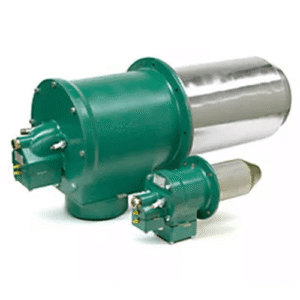
Honeywell Eclipse ThermJet TJ & TJPCA Burners

Technical Specifications

Heat input 40–5,333 kW LHV across 14 TJ / TJPCA sizes
Burner type Medium- or high-velocity nozzle mixing
Fuel Natural gas, propane or butane; other gases by configuration
Air supply External combustion-air system
Air temperature TJ up to 149°C; selected TJPCA versions up to 540°C
Control Ratio or fixed-air operation

Ratings vary by size and configuration. HHV/LHV values are fuel heat input, not useful process heat output.

Price on request

Product Overview

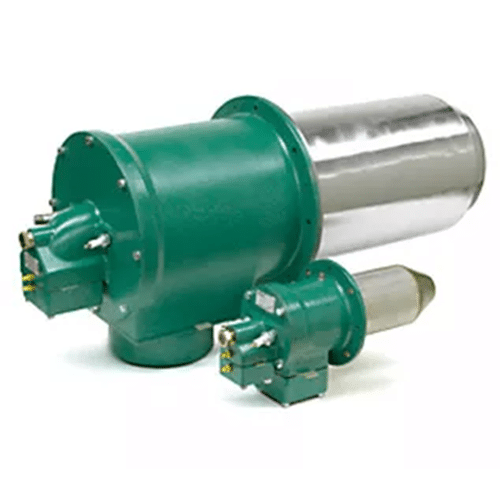
Eclipse ThermJet is a nozzle-mixing furnace burner designed to deliver a concentrated stream of hot combustion gases into the chamber. The velocity discharge promotes circulation through the heating space and around the load, making the series relevant where temperature distribution is as important as total burner input.

The family includes TJ arrangements for ambient combustion air and TJPCA versions for preheated air. Combustor type, fuel connections and flame-supervision components are selected for the installation. Integrated gas and air orifices assist setup, while independently adjustable inlet positions help the burner fit the surrounding pipework.

Firing Strategy and Furnace Circulation

ThermJet can be applied with pulse firing, excess-air control or a ratio-based firing strategy, subject to the selected system design. Burner placement determines how the hot-gas jet interacts with the chamber and workload. This makes the furnace drawing, burner positions and required heating cycle essential selection inputs, rather than treating the burner as a capacity-only replacement.
WHERE IT WORKS

Applications

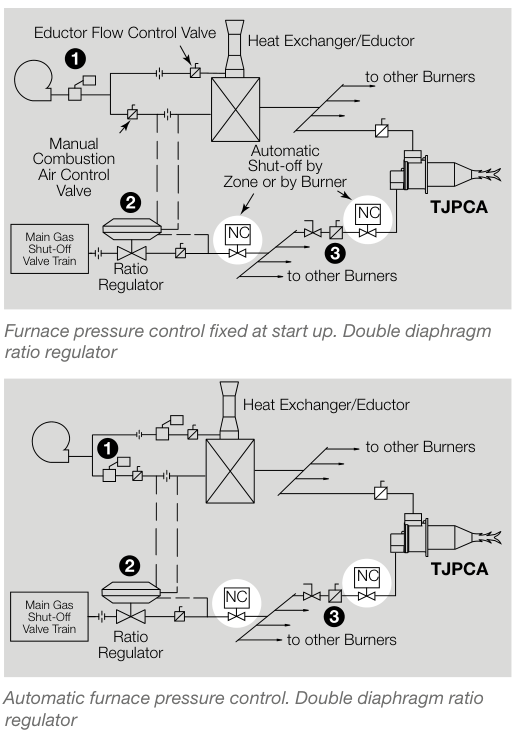
ThermJet TJPCA manufacturer system example for preheated combustion air. This schematic illustrates TJPCA; it is not the standard supply scope or air arrangement for every TJ burner.
01

Hardening, tempering and reheating furnaces

The official ThermJet application list includes these heat-treatment duties. The velocity discharge supports furnace circulation while the control arrangement follows the required heating cycle. The number and position of burners must suit the load and available flame space.

02

Non-ferrous melting and ladle heating

Manufacturer literature also identifies non-ferrous melting and ladle/tundish applications. These duties require attention to the firing direction and refractory interface. The selected combustor, thermal input and air arrangement should be coordinated with the vessel and its operating cycle.

03

Thermal oxidizers and fluidized-bed dryers

These are additional manufacturer-listed uses of ThermJet. The burner provides a heating function within the larger process. Stream conditions, chamber geometry and minimum operating duty are reviewed with the system designer before the configuration is established.

Choosing the Configuration

TJ and TJPCA have different combustion-air conditions. The permissible preheat temperature depends on burner size, so confirm the limit for the selected assembly.

Product FAQs

Selection, supply and retrofit guidance for your ThermJet project.

ThermJet selection

Should I specify ThermJet TJ or TJPCA?

The combustion-air conditions are central to the choice. Identify whether the project uses ambient or preheated combustion air, then check the applicable burner version and size-specific limits.

Send the air temperature and pressure range together with fuel details and required heat input. A TJPCA preheated-air schematic should not be used to infer that every standard TJ assembly is suitable for the same conditions.

What does a high-velocity burner change in furnace selection?

Burner placement and the resulting circulation need to suit the furnace and load. Required heat input alone does not define the appropriate number, size or orientation of high-velocity burners.

Provide a furnace sketch showing dimensions, burner positions, load location and available clearances. Include the operating temperature and control approach so the proposed arrangement can be reviewed as part of the heating system.

Supply & retrofit

What should be included in the quotation?

Specify TJ or TJPCA, burner size, combustion-air conditions and the required mounting configuration. The proposal should identify any burner tile or combustor items and ignition or flame-supervision provisions.

A common air supply, fuel train, controls and recuperation equipment are separate items unless expressly included. The illustrated preheated-air system shows a possible arrangement, not an automatic package inclusion.

What information helps assess a retrofit?

Send the burner nameplate, combustor and mounting photos, furnace layout and fuel/air data. If combustion air is preheated, include its actual temperature and pressure range rather than only the recuperator design rating.

P&ID and electrical drawings help review the existing control and safety interfaces. Note the intended changes to burner count, circulation or load position, since a replacement should be assessed beyond matching the original kW value.

How are price and lead time confirmed?

Price and lead time depend on the selected configuration, supply scope, quantity and delivery country. Include any planned shutdown date so current availability and the required delivery date can be discussed before ordering.

What if we do not have all the technical information yet?

Start with the application, whether the installation is new or a retrofit, and any model details or photos you have. Mention available P&ID or electrical drawings in the enquiry and share them by email during follow-up.

Product enquiry

Honeywell Eclipse ThermJet industrial burner
HoneywellThermJet
Part code

Send furnace dimensions, load layout, burner positions, operating temperature, duty range and combustion-air conditions.

Planning a retrofit?

Along with the nameplate and installation photos, available P&ID (piping and instrumentation diagram) and electrical or control drawings help us understand the existing system.

Drawings are optional. Mention them below and share them by email during follow-up.

Have a P&ID or electrical drawings? Let us know here; files can be shared by email during follow-up.

Your information is used to respond to your inquiry. Privacy policy

Chat with us on WhatsApp