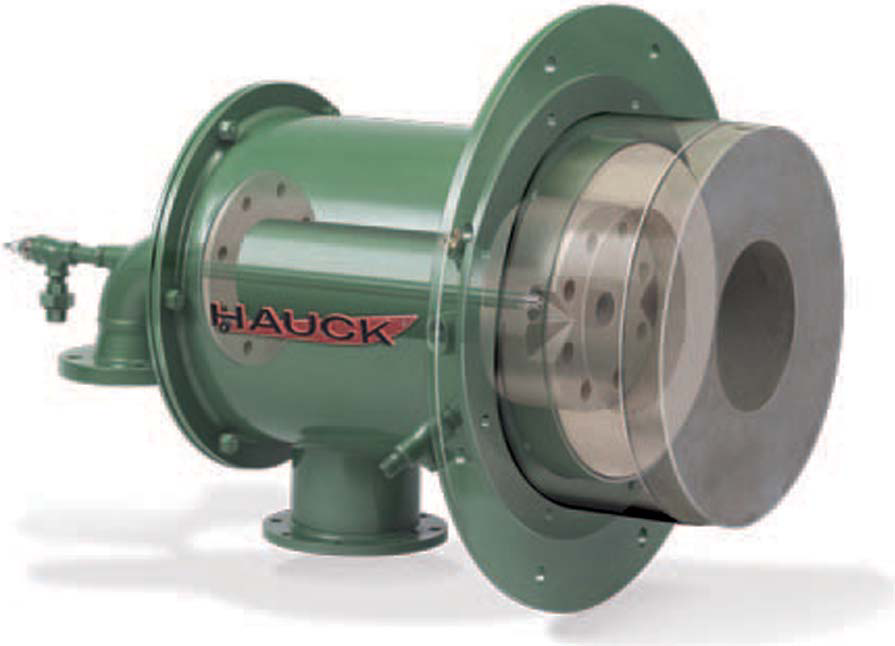
Honeywell Hauck Beta BBG & BBC Burners

Technical Specifications

BBG heat input 820–32,530 kW LHV maximum ratings
BBC heat input 800–30,700 kW maximum summary ratings
Fuel arrangement BBG: gas; BBC: gas / liquid fuel by configuration
Burner type Industrial nozzle mixing
Air supply External combustion-air system
Firing interface Matched combustion chamber or refractory block

Ratings vary by size and configuration. HHV/LHV values are fuel heat input, not useful process heat output.

Price on request

Product Overview

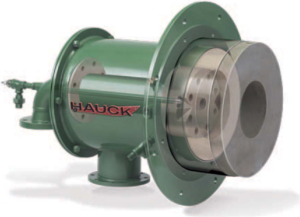
Honeywell Hauck Beta burners cover high-input industrial heating in gas-only BBG and combination-fuel BBC configurations. The family uses a robust steel construction and is designed for a range of air/fuel ratios. Alloy or refractory firing-tile arrangements allow the burner interface to be matched to the heating equipment.

The Beta range is intended for continuous or intermittent operation in varied heating environments. Manufacturer-listed applications include thermal-fluid heaters, rotary kilns, gypsum kettles, air heaters, oxidizers and incinerators. The distinction between BBG and BBC is important when a project requires a defined liquid-fuel operating mode.

Fuel and Firing-Tile Configuration

The choice of firing tile depends on temperature and the combustion-air arrangement. Insulated versions are available for specified preheated-air duties. For BBC, the liquid fuel and atomization method also determine the auxiliary equipment required. Pressure or suction in the heating chamber should be included in the enquiry so that the burner and its air supply are evaluated under the actual conditions.
WHERE IT WORKS

Applications

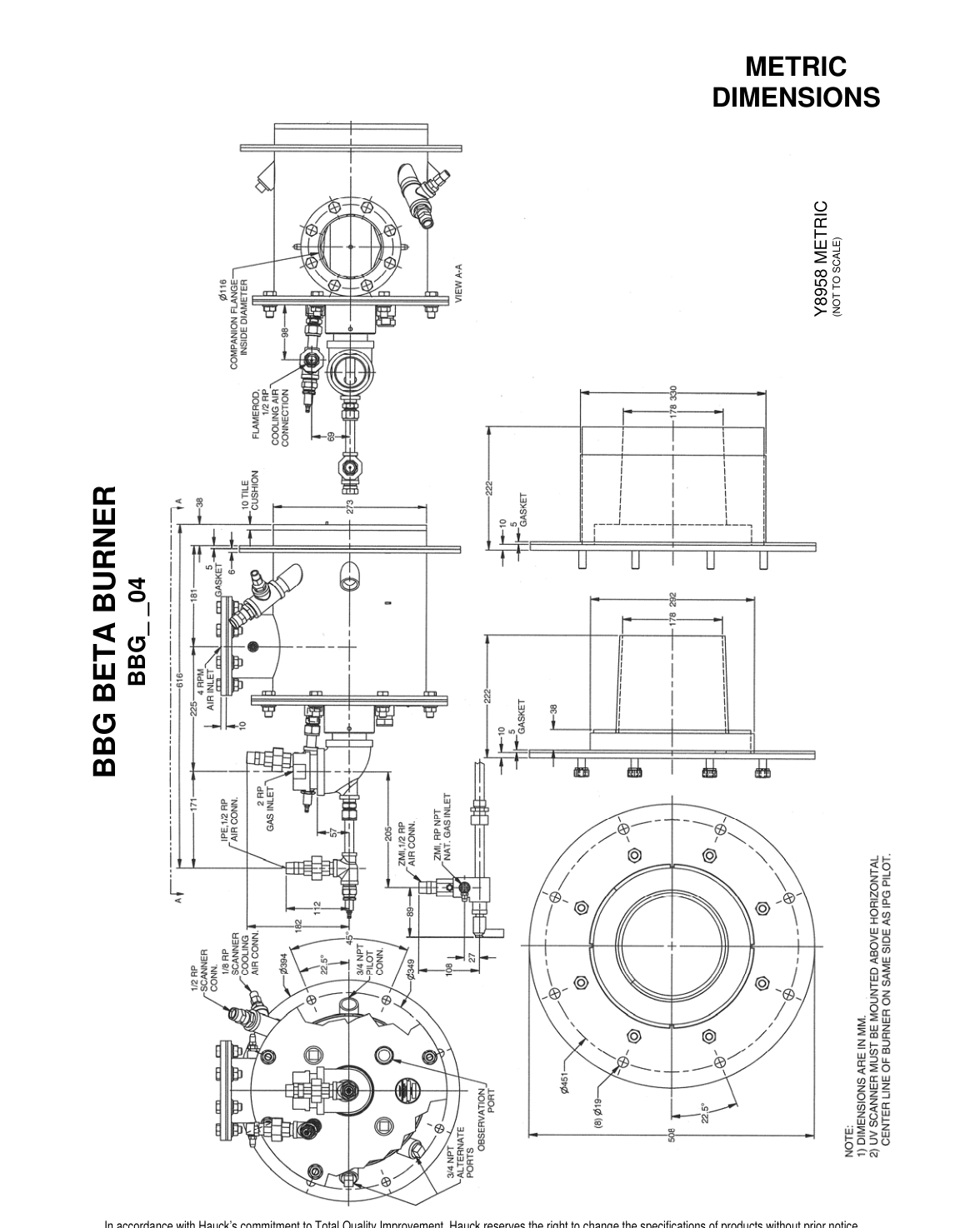
BBG __04 manufacturer dimensional reference, metric. Not to scale; confirm the selected model and current dimensions before installation.
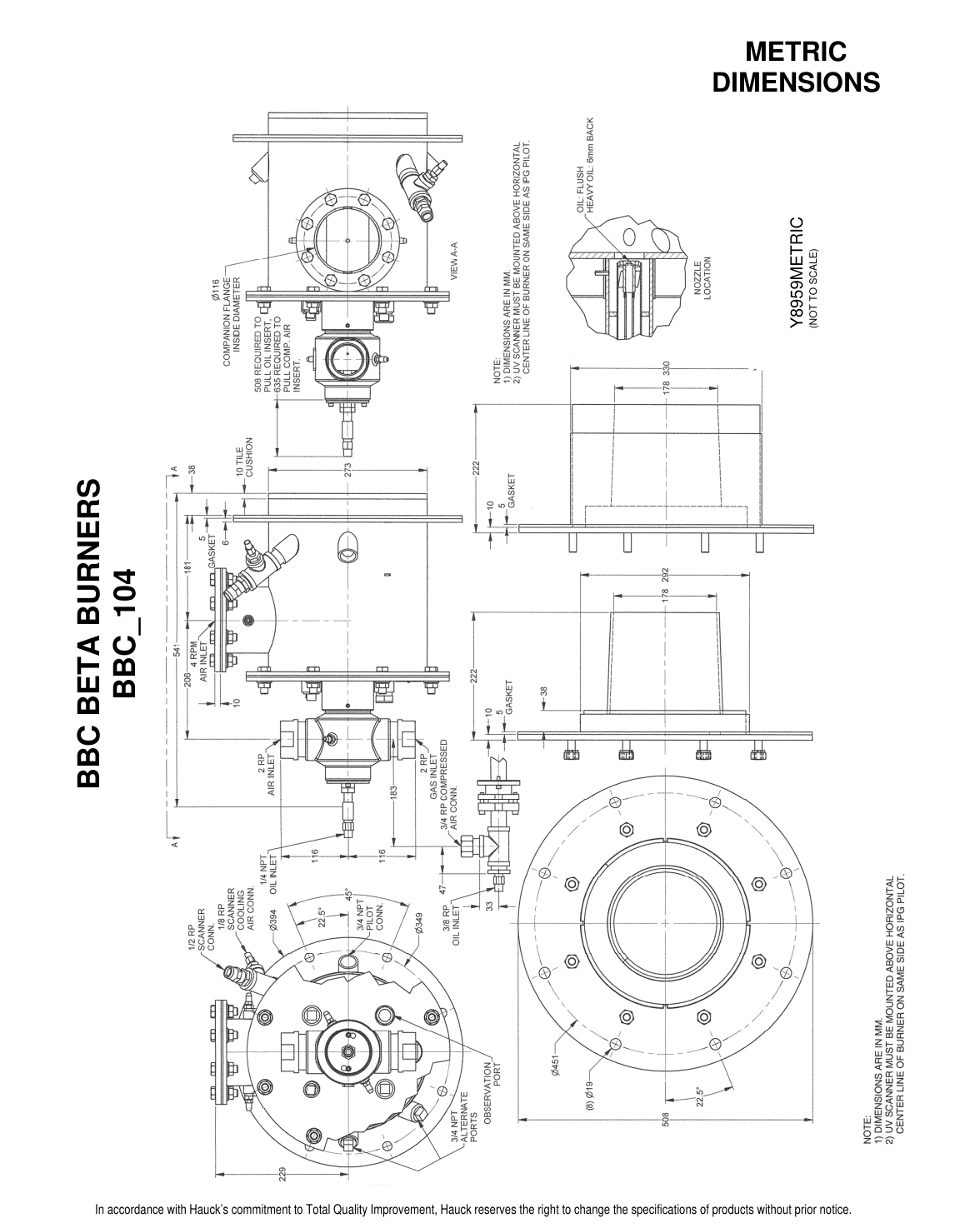
BBC __04 manufacturer dimensional reference, metric. Not to scale; this is a separate configuration from the BBG drawing.
01

Thermal-fluid and industrial air heaters

Beta burners are listed for these heating systems, where the combustion chamber is integrated with the surrounding heater. Required duty, flame space and chamber pressure guide selection. The burner scope should identify the firing tile and external air supply.

02

Rotary kilns and gypsum kettles

These are explicitly identified Beta applications. The firing arrangement must suit the equipment geometry and process load. Fuel selection is also significant where the plant needs an alternative to its normal gas supply or a specified liquid-fuel mode.

03

Oxidizers and incinerators

The Beta family is used in high-input treatment equipment as well as process heaters. Selection considers startup and operating duty, the chamber conditions and the specified fuel. The treatment system’s overall performance remains a separate design requirement.

Choosing the Configuration

BBG and BBC are different fuel arrangements. The ranges shown cover multiple sizes; final capacity and auxiliary equipment are checked against the selected fuel-specific data.

Product FAQs

Selection, supply and retrofit guidance for your Beta BBG / BBC project.

Beta BBG / BBC selection

What is the difference between BBG and BBC selection?

BBG is a gas-burner family, while BBC covers combination-fuel configurations. The required operating fuels and firing modes determine which family and auxiliary equipment need to be considered.

State the fuel specifications and whether the project requires fuel changeover or another defined operating mode. A general request for a BETA burner is not sufficient to identify a complete model or package.

What information is needed for a high-input BETA installation?

Alongside maximum and minimum heat input, provide furnace geometry, chamber pressure and the available flame space. Fuel and combustion-air conditions also need to be matched to the selected configuration.

Include a layout showing the burner location, wall or quarl interface and nearby process equipment. The BBG and BBC dimensional sheets are model-specific references and should not be treated as interchangeable mounting drawings.

Supply & retrofit

What should be included in the quotation?

The quotation should specify BBG or BBC, the complete size/configuration and the agreed fuels. For a combination-fuel proposal, fuel-specific equipment and its interfaces need to be itemized.

Combustion-air supply, fuel trains, ignition, flame supervision and controls should be explicitly included or excluded. A burner designation alone does not define a ready-to-install multi-fuel system.

What information helps assess a retrofit?

Send the full burner identification, installation and connection photos, furnace geometry and wall-interface dimensions. Include fuel specifications, supply conditions, air-supply details and the operating duty range.

P&ID and electrical or control drawings help review existing fuel circuits and changeover logic. If adding or changing a fuel, describe the intended operating modes so the wider system requirements can be assessed.

How are price and lead time confirmed?

Price and lead time depend on the selected configuration, supply scope, quantity and delivery country. Include any planned shutdown date so current availability and the required delivery date can be discussed before ordering.

What if we do not have all the technical information yet?

Start with the application, whether the installation is new or a retrofit, and any model details or photos you have. Mention available P&ID or electrical drawings in the enquiry and share them by email during follow-up.

Product enquiry

Honeywell Hauck Beta BBG / BBC industrial burner
HoneywellBeta BBG / BBC
Part code

Send the required duty, fuel modes, fuel analysis, chamber dimensions and available air/fuel services.

Planning a retrofit?

Along with the nameplate and installation photos, available P&ID (piping and instrumentation diagram) and electrical or control drawings help us understand the existing system.

Drawings are optional. Mention them below and share them by email during follow-up.

Have a P&ID or electrical drawings? Let us know here; files can be shared by email during follow-up.

Your information is used to respond to your inquiry. Privacy policy

Chat with us on WhatsApp