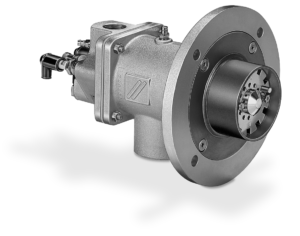
Kromschroder BIO, BIOA & ZIO Gas Burners

Technical Specifications

Heat input 40–1,000 kW LHV
Fuel Gas; version selected for the fuel composition
Firing interface Refractory quarl or extended steel tube
Furnace temperature Up to 1,600°C with refractory block; 600°C with extended steel tube
Combustion air BIO / ZIO up to 450°C; BIOA up to 200°C
Control On/off, low/high or modulating

Ratings vary by size and configuration. HHV/LHV values are fuel heat input, not useful process heat output.

Price on request

Product Overview

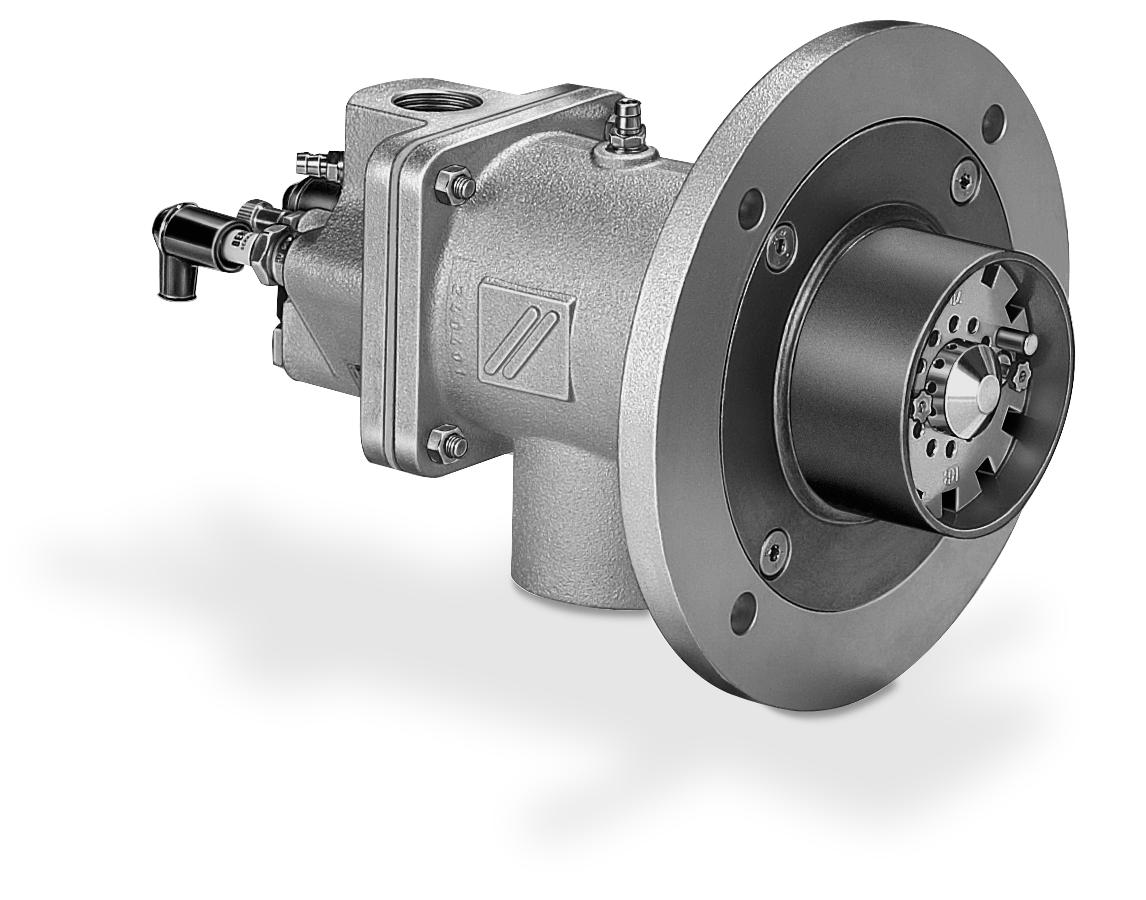
Kromschröder BIO, BIOA and ZIO are gas burners used with a refractory burner quarl or an extended steel burner tube. The firing interface is chosen to suit the furnace temperature and required flame arrangement. This makes the family applicable to different industrial furnace layouts rather than one fixed combustion-chamber geometry.

A refractory quarl completes the firing arrangement in higher-temperature applications, while an extended steel tube is an option within its own temperature limits. The housing, burner length and fuel configuration are selected with that interface. Standard and specially configured versions must be distinguished when checking a replacement.

Burner Quarl or Extended Steel Tube

The geometry of the quarl influences the flame shape, so it should be reviewed with the burner and furnace lining. For a lower-temperature arrangement using an extended steel tube, the permissible conditions are different. A change in wall thickness during relining can also change the firing position, making the existing burner length and quarl drawing important reference information.
WHERE IT WORKS

Applications

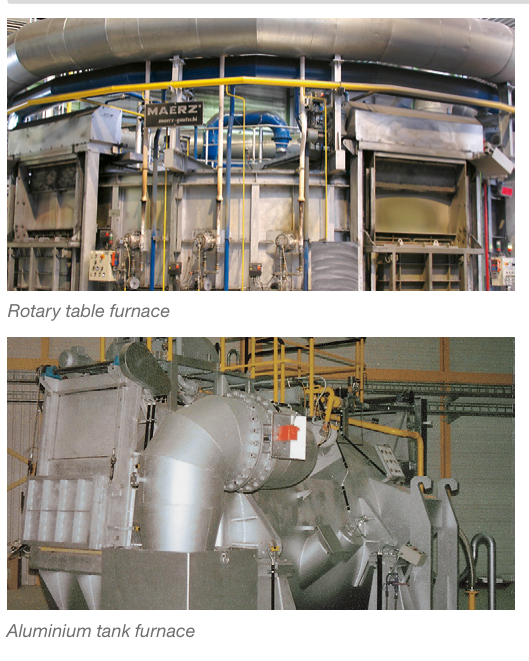
BIO/ZIO manufacturer application photographs: rotary-hearth furnace and aluminium-bath heating examples. These illustrate applications, not an identical burner configuration for every furnace.
01

Forging and other metal-heating furnaces

The manufacturer’s application literature describes use with refractory quarls, including forging furnaces. The burner/quarl combination is matched to the chamber and load so that the required heating pattern can be developed within the available space.

02

Steel, non-ferrous and light-metal processing

BIO/ZIO are listed across these industrial furnace sectors. Capacity, control mode and fuel composition should be established for each heating zone. A family-level temperature limit is not a substitute for checking the selected quarl or tube assembly.

03

Dryers and hot-air generators

These are also listed applications. Where an extended steel tube is appropriate, it provides a different integration route from the refractory-quarl arrangement. The operating temperature and surrounding airflow determine which construction should be considered.

Choosing the Configuration

Quarl and extended steel-tube versions have different temperature limits. They should not share one unrestricted maximum-temperature claim on a quotation.

Product FAQs

Selection, supply and retrofit guidance for your BIO / BIOA / ZIO project.

BIO / BIOA / ZIO selection

How do I choose the quarl or tube arrangement for BIO/BIOA/ZIO?

The combustion-chamber and outlet arrangement must suit the selected burner version and furnace. Refractory-quarl and steel-tube arrangements should be checked against their respective operating conditions.

Send the furnace temperature, wall construction, required flame geometry and mounting details. The appropriate configuration cannot be established from burner capacity or connection size alone.

Which furnace details are useful for BIO/BIOA/ZIO selection?

Provide the heating duty, fuel, chamber pressure and combustion-air conditions, together with a sketch showing burner and load positions. The process and control mode affect the proposed arrangement.

For rotary-hearth, bath-heating or similar projects, describe how heat reaches the load and any constraints near the burner outlet. Application photographs illustrate possible uses; they do not establish one universal configuration or temperature limit.

Supply & retrofit

What should be included in the quotation?

Identify the complete burner version and whether the required quarl, tube and mounting components are included. A spare-part request should specify the installed assembly and the component being replaced.

Air supply, gas-train equipment, ignition, flame supervision and controls should be agreed separately. Furnace refractory work and system installation should not be inferred from a burner-only proposal.

What information helps assess a retrofit?

Share the nameplate, mounting and outlet photos, wall thickness and furnace layout. If the furnace has been relined, include the revised wall and opening dimensions rather than relying only on the original drawing.

P&ID and electrical drawings help clarify the existing fuel, air and control arrangement. Note changes to burner position, load geometry or operating temperature so the outlet configuration can be reviewed for the current process.

How are price and lead time confirmed?

Price and lead time depend on the selected configuration, supply scope, quantity and delivery country. Include any planned shutdown date so current availability and the required delivery date can be discussed before ordering.

What if we do not have all the technical information yet?

Start with the application, whether the installation is new or a retrofit, and any model details or photos you have. Mention available P&ID or electrical drawings in the enquiry and share them by email during follow-up.

Product enquiry

Honeywell Kromschröder BIO / BIOA / ZIO industrial burner
KromschroderBIO / BIOA / ZIO
Part code

Send furnace and quarl drawings, wall thickness, duty per burner, chamber temperature and gas/air supply conditions.

Planning a retrofit?

Along with the nameplate and installation photos, available P&ID (piping and instrumentation diagram) and electrical or control drawings help us understand the existing system.

Drawings are optional. Mention them below and share them by email during follow-up.

Have a P&ID or electrical drawings? Let us know here; files can be shared by email during follow-up.

Your information is used to respond to your inquiry. Privacy policy

Chat with us on WhatsApp