Product Overview
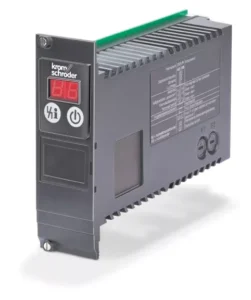
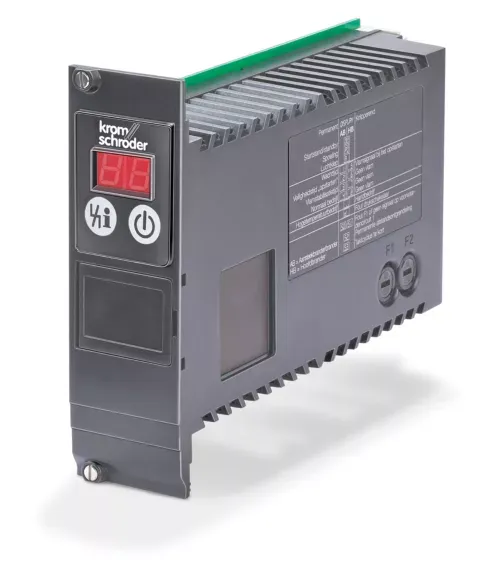
The Kromschröder PFU 780 is a high-end, multi-functional burner control unit designed for the control, ignition, and monitoring of industrial gas burners. Specifically engineered for complex multi-burner systems, it excels in applications involving both pilot and main burners, or burners of unlimited capacity. Its robust design allows for installation in a control cabinet, providing a centralized and highly reliable safety logic for industrial furnaces and thermal processing plants.
Key Features
- Dual-Stage Monitoring: Independently manages and monitors the ignition (pilot) burner and the main burner for maximum process control.
- Continuous or Intermittent Operation: Certified for long-term continuous operation, making it suitable for 24/7 industrial manufacturing cycles.
- Flexible Flame Supervision: Supports ionization sensors, UV sensors, or a combination of both to accommodate different flame characteristics.
- Internal Tightness Control: Capable of performing integrated valve proving (leakage tests) to ensure system integrity before every startup.
- Communication Interfaces: Features an optical interface for local diagnostics and supports optional fieldbus modules (Profibus-DP) for integration into plant-wide automation systems.
- Extended Safety Functions: Includes programmable safety times and air-gas ratio control signals to optimize combustion efficiency.
Core Advantages
- System Scalability: Ideal for modular furnace designs where multiple PFU units can be synchronized to manage complex heating zones efficiently.
- Enhanced Diagnostic Capability: The integrated display provides precise error codes and operational history, allowing for predictive maintenance and rapid fault resolution.
- Maximum Operational Safety: Built to meet the strictest international safety requirements (SIL 3, CE, FM, and UL), ensuring protection for both personnel and equipment.
- Simplified Cabinet Layout: By consolidating ignition control, flame safety, and communication into one unit, it reduces the complexity and component count of the electrical control system.